Every manufacturing AI project is also a cybersecurity project
Manufacturing AI expands the path between operational data and action. Security, access, resilience, and recovery belong in the project from the beginning.
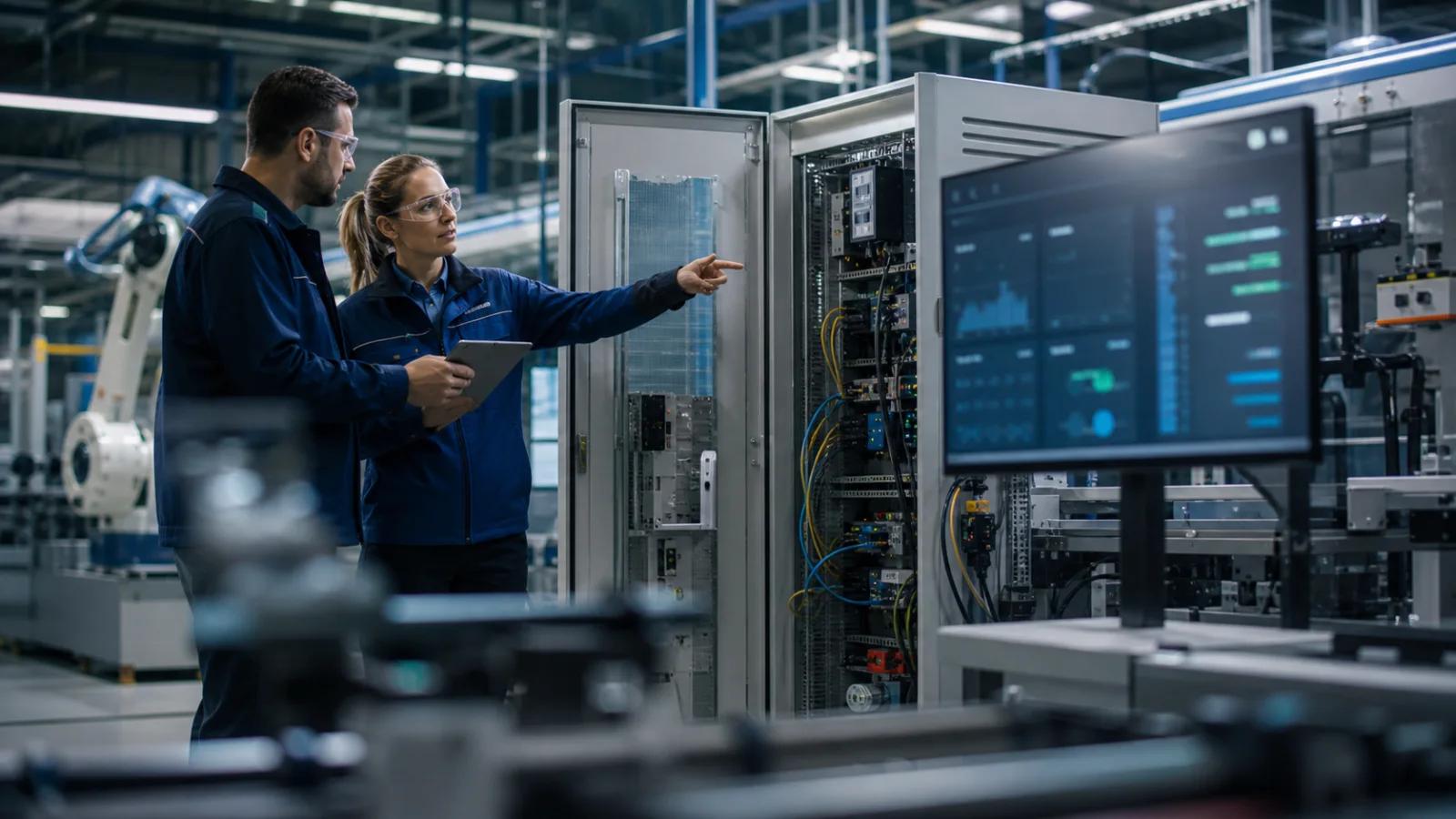
AI changes the operating attack surface
A manufacturing AI system may connect production data, documents, cloud services, user accounts, and operational workflows that were previously separate. Each connection can create value, but it also creates a path that must be understood, controlled, and monitored.
Start with identity, data, and action
Document what the system can read, what it can change, which people and services can invoke it, and where information is retained. Use the least privilege needed for the job. Separate development and production access, protect credentials, and avoid giving a model broad authority simply because integration is convenient.
Design for failure and recovery
Define what happens when a provider is unavailable, an output is suspicious, a credential is compromised, or an automated action fails midway. Logging, duplicate-action protection, human escalation, backups, and tested recovery procedures are operational requirements—not paperwork added after launch.
Make governance visible to the operating team
People should know when AI is involved, which actions are automatic, what requires approval, and how to report a problem. Review access and behavior as the workflow changes. Security is strongest when it is part of normal ownership rather than a one-time technical review.
A secure pilot can still be small. Bound the data, users, systems, and actions; test with representative conditions; and expand permissions only after the team has evidence that the controls work.
Source: NIST — Cybersecurity Framework 2.0 Manufacturing Profile
Have a real process in mind?
Turn operational friction into a practical AI project.
Tell us where work is slow, repetitive, or hard to scale. We’ll help you find the smallest useful place to start.