A production AI scheduling assistant for the Toledo Museum of Art
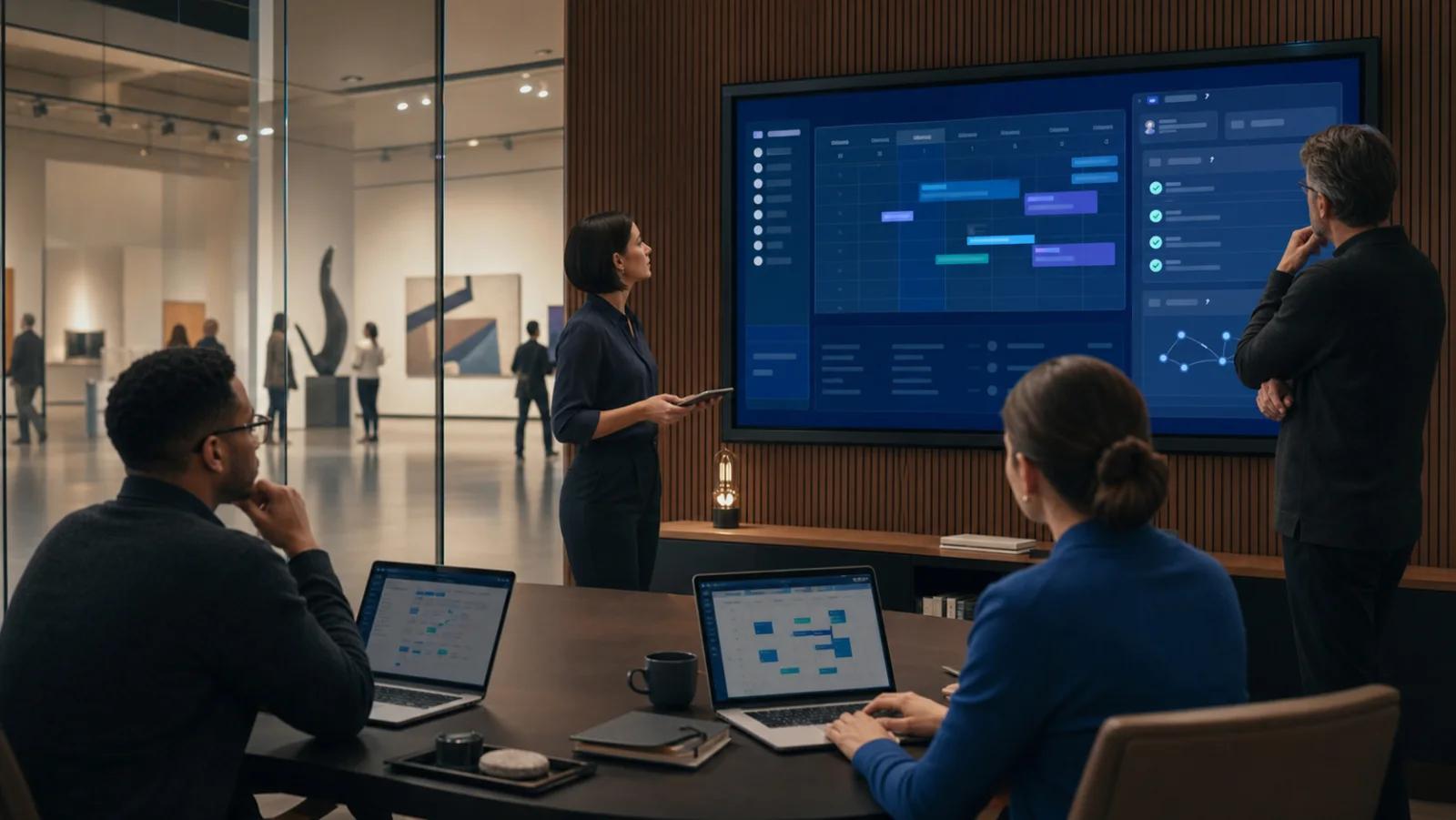
The Toledo Museum of Art uses a production AI scheduling assistant in Microsoft 365 to coordinate meeting requests while keeping people in control of exceptions.
Results
- Delivery status
- In production
- Primary environment
- Microsoft 365
- Exception path
- Human review
The challenge
Coordinating meetings often looks simple until a request arrives with an unclear purpose, several participants, timing constraints, or an unfamiliar sender. Staff can spend time interpreting the message, checking calendars, asking follow-up questions, and confirming a slot.
An assistant, not just a chat window
The AI scheduling assistant now runs in production inside the Toledo Museum of Art’s Microsoft 365 environment. It helps interpret requests, gather missing details, check the information required to coordinate a meeting, and move the conversation toward a confirmed outcome.
Control was designed in
The assistant does not assume every situation is routine. Exceptions and unfamiliar conditions have a human path, and the operating team retains control over when the assistant acts. Those guardrails turn an interesting model into accountable operational capacity.
The important distinction is not that the system can chat. It performs a defined job inside the tools the team already uses, follows boundaries, and knows when the next decision belongs to a person.
Have a real process in mind?
Turn operational friction into a practical AI project.
Tell us where work is slow, repetitive, or hard to scale. We’ll help you find the smallest useful place to start.